
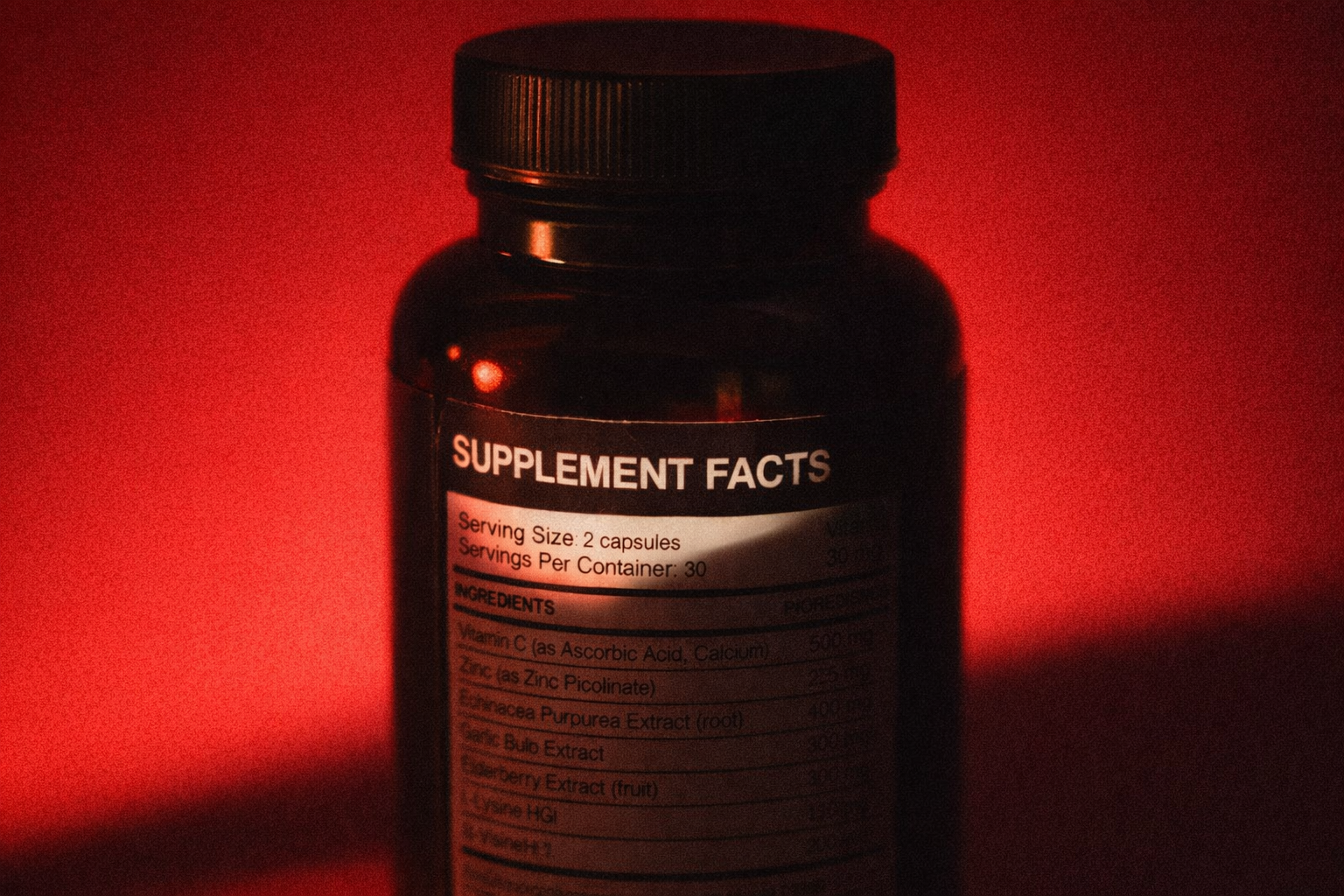
How to Read a Supplement Label: Your Complete Guide to Making Informed Decisions

Melissa Stafford
February 24, 2026
If you’ve ever stood in the supplement aisle feeling overwhelmed by the labels, you’re not alone. With over 80,000 dietary supplements on the market, understanding what you’re actually putting into your body can feel like deciphering a foreign language. But here’s the truth: knowing how to read a supplement label is one of the most important skills you can develop for protecting your health and getting real value from the products you choose.
As someone committed to maintaining your cognitive health and overall wellness, you deserve to know exactly what’s in your supplements—and whether those ingredients will actually deliver on their promises. This comprehensive guide will walk you through every element of a supplement label, empowering you with the knowledge to make confident, informed decisions about your brain health and beyond.

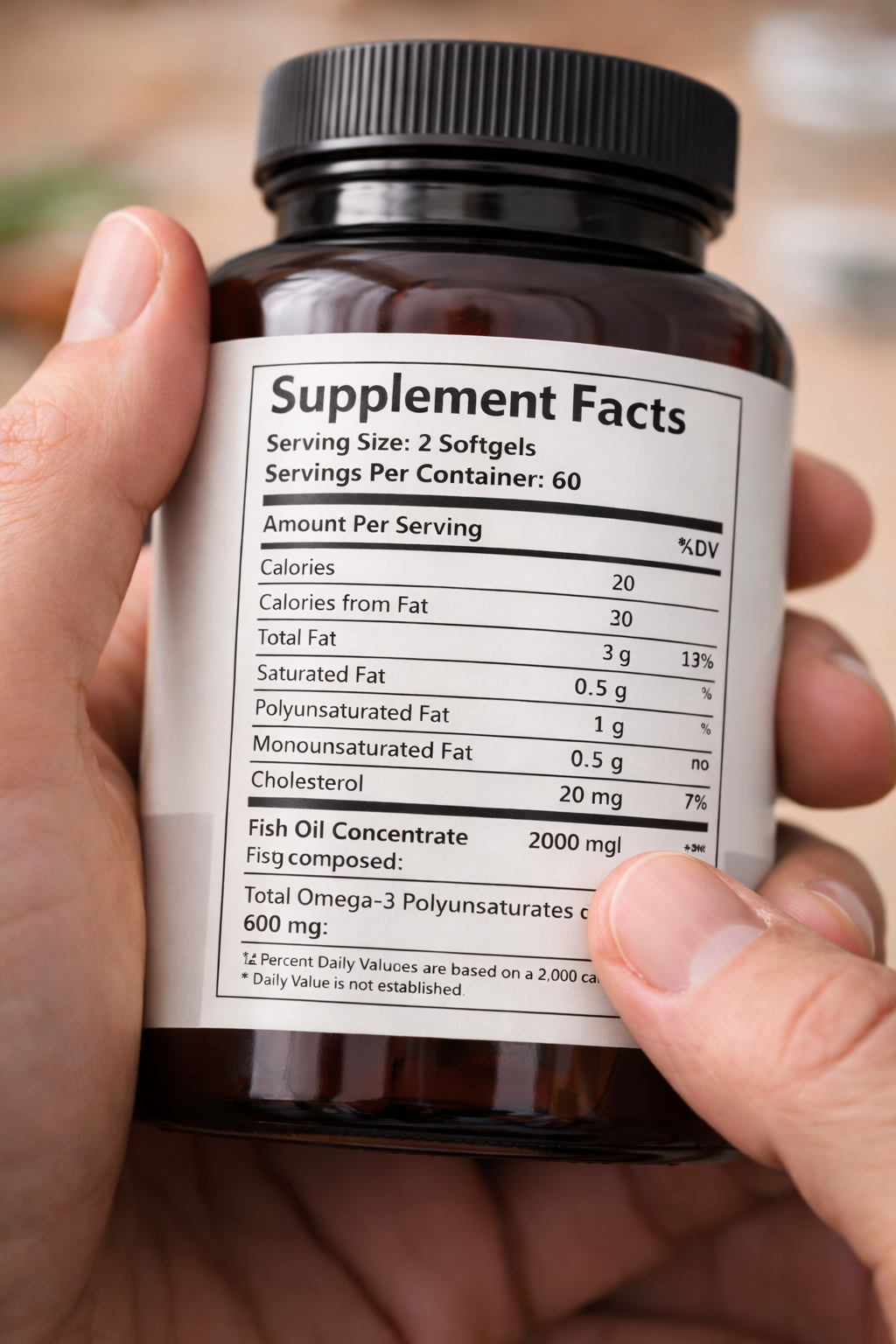
Understanding the Supplement Facts Panel
The Supplement Facts panel is your primary source of truth about what’s inside the bottle. According to the U.S. Food and Drug Administration (FDA), this panel must include specific information that helps you evaluate whether a product meets your needs.
Serving Size: The Foundation of All Information
The serving size tells you the amount of product on which all other nutritional information is based. For dietary supplements, the FDA defines one serving as “the maximum amount recommended on the label for consumption per eating occasion, or in the absence of recommendations, 1 unit (e.g., tablet, capsule, packet, teaspoonful, etc).”
Here’s what this means in practice: If a label instructs you to “take 1-3 tablets daily,” the serving size would be 3 tablets—and all the amounts listed below would reflect what’s in those 3 tablets combined.
Why this matters for you: Always check whether you’re taking one serving or multiple servings per day. If you take two capsules but the serving size is four, you’re only getting half of the listed amounts.
Daily Value (%DV): Your Nutritional Benchmark
The %DV shows how much a nutrient in a single serving contributes to your daily diet. According to the FDA, the Daily Value represents “the recommended amounts of nutrients to consume or not to exceed each day,” while the %DV indicates “how much a nutrient in a single serving of an individual packaged food or dietary supplement contributes to your daily diet.”
For example, if the Daily Value for vitamin D is 20 mcg and your supplement provides 10 mcg per serving, the %DV would be 50%—meaning one serving gives you half of your daily vitamin D needs.
The 5/20 Rule: The FDA provides a helpful guideline for interpreting %DV:
- 5% DV or less is considered low for that nutrient
- 20% DV or more is considered high for that nutrient
This quick reference helps you determine at a glance whether a supplement provides meaningful amounts of key ingredients.
Important consideration: Not all dietary ingredients have established Daily Values. When you see a dash (—) or an asterisk (∗) with a note “Daily Value Not Established,” it means the FDA hasn’t determined a recommended daily amount for that ingredient.
The Ingredients List: What’s Actually Inside
Below the Supplement Facts panel, you’ll find a complete list of ingredients, including both active dietary ingredients and inactive ingredients like fillers, binders, and coloring agents. These must be listed in descending order by weight.
Active ingredients are the nutrients or compounds intended to provide health benefits. Inactive ingredients (sometimes called “Other Ingredients”) serve purposes like holding the tablet together, improving absorption, or enhancing shelf life.
For individuals with allergies or sensitivities, this section is critical. Common additives include:
- Fillers: Microcrystalline cellulose, rice flour
- Binders: Gelatin, vegetable cellulose
- Flow agents: Magnesium stearate, silica
- Colorants: Titanium dioxide, natural colorings
Decoding Proprietary Blends
You’ll often see “Proprietary Blend” listed on supplement labels, particularly for complex formulations. According to FDA labeling regulations, a proprietary blend must identify itself by that term (or “an appropriately descriptive term or fanciful name”), list the total weight of all ingredients in the blend, and name the individual components in descending order of predominance by weight.
Here’s the catch: manufacturers are not required to disclose the individual amounts of each ingredient within a proprietary blend—only the total weight of the blend itself.
What This Means for You
While proprietary blends aren’t inherently problematic, they do limit transparency. You might see something like:
Memory Support Blend — 500 mgGinkgo biloba extract, Bacopa monnieri, Phosphatidylserine
You know the total is 500 mg, but you don’t know if it contains 450 mg of the first ingredient and only trace amounts of the others, or if it’s evenly distributed. This makes it difficult to:
- Compare products accurately
- Determine if you’re getting therapeutic doses of key ingredients
- Assess value for money
Expert insight: Look for supplements that list individual ingredient amounts whenever possible. This transparency indicates a manufacturer confident in their formulation and committed to informed consumer choice.
Generic vs. Trademarked Ingredients: What’s the Difference?
When reviewing supplement labels, you’ll encounter both generic ingredient names (like “curcumin”) and trademarked versions (like “Curcumin C3 Complex®”). Understanding this distinction helps you evaluate quality and effectiveness.
Generic Ingredients
Generic ingredients are identified by their common or scientific names. For botanicals, the FDA requires labels to include either the scientific name of the plant or the common name standardized in the reference Herbs of Commerce (1992 edition), plus the plant part used.
For example:
- Ginkgo biloba (leaf)
- Vitamin C (as ascorbic acid)
- Omega-3 fatty acids
Trademarked Ingredients
Trademarked ingredients are proprietary formulations or extracts that have undergone specific processing, standardization, or clinical testing. The trademark indicates a particular version of an ingredient, often with documented research supporting its effectiveness.
Examples include:
- Cognizin® (a form of citicoline)
- BioCurc® (a bioavailable form of curcumin)
- KSM-66® (a specific ashwagandha extract)
What this means for your cognitive health: Trademarked ingredients often come with clinical studies demonstrating their efficacy at specific doses. When you see a trademarked ingredient, you can research that specific form to find supporting evidence. Generic ingredients may work well too, but the research might not be as specific to the exact form in your supplement.
The presence of a trademark doesn’t automatically mean a product is superior, but it does indicate additional investment in research and quality control. For brain health supplements where efficacy matters deeply, this distinction can be meaningful.
Understanding Structure/Function Claims and Disclaimers
You’ll often see statements on supplement labels like “supports brain health” or “promotes memory function.” These are called structure/function claims, and understanding what they mean—and don’t mean—is essential.
What Structure/Function Claims Are
According to the FDA, structure/function claims “may describe the role of a nutrient or dietary ingredient intended to affect the normal structure or function of the human body.” They can also characterize how an ingredient maintains such structure or function.
Permitted examples include:
- “Calcium builds strong bones”
- “Supports immune function”
- “Helps maintain mental clarity”
- “Promotes cardiovascular health”
The Required Disclaimer
Here’s what’s crucial: If a dietary supplement label includes a structure/function claim, it must include this disclaimer:
“This statement has not been evaluated by the Food and Drug Administration. This product is not intended to diagnose, treat, cure or prevent any disease.”
This disclaimer exists because dietary supplements are not drugs. Unlike medications, supplements don’t require FDA approval before reaching the market. The FDA evaluates drug claims through rigorous pre-market testing, but supplement manufacturers must have substantiation that their claims are truthful and not misleading, and they must notify the FDA within 30 days of marketing a product with such claims.
What This Means for You
Structure/function claims don’t guarantee effectiveness—they simply indicate that the manufacturer has some basis for making the claim. The Federal Trade Commission (FTC) requires that “advertisers substantiate express and implied claims” before they’re disseminated, meaning companies should have evidence supporting their statements.
When evaluating supplements for cognitive health, look beyond marketing claims to:
- Examine the actual research on specific ingredients
- Check for clinical studies on the complete formulation (not just individual ingredients)
- Consider third-party certifications (more on this below)
- Review customer testimonials and expert recommendations
Safety Considerations: Tolerable Upper Intake Levels
Just because something is natural doesn’t mean more is better. Understanding safety limits helps you avoid potential harm from excessive supplementation.
What Are Tolerable Upper Intake Levels (ULs)?
According to the National Institutes of Health Office of Dietary Supplements, the Tolerable Upper Intake Level represents the “maximum daily intake unlikely to cause adverse health effects.” These values are established by the Food and Nutrition Board of the National Academies of Sciences, Engineering, and Medicine.
ULs exist for many vitamins and minerals, including:
- Vitamin A: 3,000 mcg RAE (10,000 IU)
- Vitamin C: 2,000 mg
- Vitamin D: 100 mcg (4,000 IU)
- Calcium: 2,500 mg
- Iron: 45 mg
- Zinc: 40 mg
Important for your health: Exceeding the UL doesn’t mean you’ll immediately experience problems, but it increases your risk of adverse effects. Some nutrients can accumulate in your body over time, making chronic over-supplementation particularly concerning.
Checking Your Total Intake
Remember that your total daily intake includes:
- Food and beverages
- Fortified foods
- All dietary supplements you take
If you’re taking multiple supplements—say, a multivitamin plus a B-complex plus individual vitamins—you could inadvertently exceed safe limits. Review all your supplement labels together to calculate your total intake of each nutrient.
Special consideration for cognitive health: Some brain health supplements contain higher doses of certain nutrients. For example, therapeutic doses of B vitamins often exceed the RDA but remain well below the UL. However, always consult with your healthcare provider before taking high-dose supplements, especially if you have existing health conditions or take medications.
Quality Indicators: Third-Party Testing and Certifications
One of the most significant challenges in the supplement industry is ensuring that products actually contain what their labels claim—and nothing they shouldn’t. This is where third-party certifications become invaluable.
Why Third-Party Testing Matters
Unlike prescription medications, dietary supplements don’t require FDA approval before being marketed. The FDA does establish Good Manufacturing Practices (GMPs) for supplements, which include requirements for identity, purity, strength, and composition. However, compliance with these regulations is verified primarily through periodic inspections rather than pre-market approval.
Third-party testing provides an additional layer of verification by having independent organizations test products to confirm:
- The product contains the ingredients listed on the label in the declared amounts
- The product doesn’t contain harmful levels of contaminants (heavy metals, pesticides, microbes)
- The product meets standards for dissolution (breaking down properly for absorption)
- Manufacturing follows proper quality control procedures
USP Verified Mark
The USP (United States Pharmacopeia) Verified Mark indicates that a product has met rigorous testing standards. According to USP, seeing this mark on a supplement label means:
- Contains declared ingredients and amounts: Tests confirm the product matches its label claims
- Free from harmful contaminants: The product doesn’t contain unsafe levels of heavy metals, microbes, pesticides, or other contaminants
- Proper dissolution: The supplement breaks down appropriately to allow ingredient absorption
- Quality manufacturing: The product is manufactured following FDA Good Manufacturing Practices with proper quality control
To obtain USP Verification, manufacturers must undergo manufacturing facility audits, submit documentation for review, pass laboratory testing, and agree to ongoing monitoring through off-the-shelf product testing.
NSF Certified for Sport®
While USP Verified is excellent for general supplement quality, NSF Certified for Sport® specifically addresses concerns about prohibited substances and is particularly relevant for those who want absolute assurance about purity.
According to the U.S. Anti-Doping Agency (USADA), NSF Certified for Sport® products are tested for more than 270 substances banned by the World Anti-Doping Agency. The certification process includes:
- Testing finished products for prohibited substances
- Auditing manufacturing facilities
- Evaluating product quality
- Verifying label accuracy and regulatory compliance
For your peace of mind: While you may not be a competitive athlete, NSF Certified for Sport® provides assurance that a product is exceptionally clean and accurately labeled. This matters for cognitive health supplements because you want to ensure you’re getting only the ingredients intended to support your brain—nothing hidden or harmful.
ConsumerLab, Informed Choice, and Other Certifications
Other reputable third-party testing organizations include:
- ConsumerLab.com: Tests supplements and publishes results for subscribers
- Informed Choice: Similar to NSF Certified for Sport®, focusing on banned substance testing
- BSCG (Banned Substances Control Group): Another certification for prohibited substance testing
The presence of any of these marks indicates a manufacturer’s commitment to quality and transparency—qualities that should matter greatly when choosing supplements for your cognitive health.
Additional Label Elements to Review
Expiration Dates and Lot Numbers
Always check the expiration date on your supplements. The potency and safety of ingredients can diminish over time, and expired supplements may not provide the intended benefits. Lot numbers allow manufacturers to track specific batches for quality control and recall purposes if issues arise.
Storage Instructions
Proper storage maintains supplement effectiveness. Common instructions include:
- Store in a cool, dry place
- Keep away from direct sunlight
- Refrigerate after opening (for certain products)
- Keep out of reach of children
Warnings and Contraindications
Pay close attention to any warnings on the label, particularly:
- Pregnancy and breastfeeding warnings
- Interactions with medications
- Conditions that may be affected by the supplement
- Maximum duration of use without medical supervision
For those focused on brain health: Some cognitive support ingredients may interact with blood thinners, antidepressants, or other medications. Always consult your healthcare provider before starting new supplements, especially if you’re taking prescription medications or have existing health conditions.
Contact Information
Reputable supplement manufacturers include contact information on their labels—typically a phone number and website. This transparency allows you to:
- Ask questions about the product
- Report adverse effects
- Verify the product’s authenticity
- Access additional product information and research
Red Flags: What to Avoid
Certain characteristics should raise concerns about a supplement’s quality or legitimacy:
Exaggerated Claims
Be wary of supplements that promise:
- “Miracle” cures or instant results
- Benefits for numerous, unrelated conditions
- Claims that sound too good to be true
- Comparisons to prescription drug effectiveness
Remember: If a product claims to “diagnose, treat, cure, or prevent any disease,” it’s making an illegal drug claim for a supplement.
Missing Information
Quality supplements should have complete labels. Missing elements might include:
- No manufacturer contact information
- Vague or incomplete ingredient lists
- Absence of serving size information
- No lot number or expiration date
Unrealistic Ingredient Doses
Research the therapeutic doses for key ingredients in your supplements. Red flags include:
- “Pixie dusting” (including trendy ingredients in amounts too small to be effective)
- Doses far exceeding established safe limits without clear justification
- Lack of standardization for botanical ingredients
Putting It All Together: Making Informed Decisions
Reading supplement labels effectively requires looking at the complete picture. Here’s your step-by-step checklist when evaluating a new supplement:
1. Review the Supplement Facts Panel
- Check the serving size and servings per container
- Examine %DV for each ingredient (5% = low, 20% = high)
- Note ingredients without established Daily Values
- Calculate if doses fall within safe ranges (below ULs)
2. Evaluate the Ingredient List
- Identify all active ingredients
- Check for potential allergens or sensitivities in inactive ingredients
- Look for trademarked ingredients backed by research
- Be cautious of proprietary blends without individual amounts
3. Assess Quality Indicators
- Look for third-party certification marks (USP, NSF, ConsumerLab)
- Verify the product hasn’t expired
- Confirm proper storage instructions are followed
- Check for clear manufacturer contact information
4. Review Claims and Disclaimers
- Read structure/function claims carefully
- Verify the required FDA disclaimer is present
- Research whether claims are supported by scientific evidence
- Check for realistic expectations vs. exaggerated promises
5. Consider Safety
- Read all warnings and contraindications
- Calculate your total intake if taking multiple supplements
- Verify compatibility with any medications you take
- Consult your healthcare provider with questions
The Bottom Line: Empowering Your Health Decisions
Understanding how to read supplement labels transforms you from a passive consumer into an informed decision-maker. This knowledge is particularly valuable when choosing supplements for cognitive health, where quality, purity, and appropriate dosing directly impact the results you experience.
The supplement industry offers tremendous potential for supporting your brain health and overall wellness. Scientific research continues to identify beneficial compounds that can help maintain mental clarity, support memory function, and promote healthy aging. But realizing these benefits requires choosing products that deliver on their promises—and that starts with knowing how to evaluate what’s on the label.
Your Action Plan
Armed with this knowledge, you’re now prepared to:
- Compare products objectively based on ingredient amounts, quality certifications, and value rather than marketing alone
- Ensure safety by checking total daily intakes against established upper limits and reviewing potential interactions
- Identify quality products through third-party certifications and transparent labeling practices
- Make informed investments in supplements that contain therapeutic doses of research-backed ingredients
- Protect your health by recognizing red flags and avoiding potentially problematic products
Remember that supplements are meant to complement—not replace—a healthy lifestyle that includes proper nutrition, regular physical activity, quality sleep, stress management, and social engagement. These foundational elements remain the cornerstone of cognitive health throughout the aging process.
When you do choose supplements, let label literacy guide you toward products that align with your health goals, meet rigorous quality standards, and provide transparent information about their contents. Your brain deserves nothing less than products you can trust—products that deliver real ingredients in meaningful amounts, backed by science and verified by independent testing.
The path to maintaining your cognitive health is paved with informed decisions. By mastering the skill of reading supplement labels, you’ve taken an important step toward staying mentally sharp, clear-headed, and empowered to make choices that support your best years ahead.
Ready to apply your new knowledge? Take a moment to review the labels of any supplements you’re currently taking. Do they meet the quality standards outlined in this guide? If you’re considering adding a cognitive health supplement to your routine, use this comprehensive checklist to ensure you’re choosing a product worthy of your trust—and your brain health goals.